ACURA 211.AC1D93 Hatchback Left Front Seat Belt Track Motor
fits model: Integra. make: Acura. year: 1990–1993.
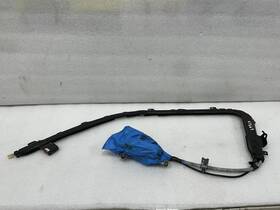
( Part Type: Seat Belt Motor ), ( Conditions Options: A, Lf Seat Belt Track Motor Htbk ), ( Genuine Oem: Yes ), ( Ipn: 211.ac1d93 ), ( Manufacturer Warranty: 60 Day ), ( Placement On Vehicle: Front, Left )
Review ACURA Hatchback Left Front Seat Belt Track Motor fits INTEGRA 1990–1993
The Acura Integra hatchback, manufactured between the model years 1990 to 1993, is known for its sleek design, impressive performance, and advanced safety features. One such safety feature is the left front seat belt track motor, specifically the part number 211.AC1D93. This motor plays a crucial role in the proper functioning of the seat belt system.
This motor is a critical component of the passenger side front seat belt assembly. Its primary function is to retract the seat belt when the vehicle is in motion and to automatically extend the belt out when the seat is unoccupied or when the driver or passenger opens the door. The motor operates smoothly and quietly, ensuring a comfortable and secure ride for the occupants.
The motor is designed with durability in mind. It is constructed from high-quality materials that can withstand the rigors of daily use. Its compact size and sleek design make it a perfect fit for the Integra's interior, blending seamlessly with the overall aesthetic of the vehicle.
The installation of the 211.AC1D93 motor is straightforward. It can be easily accessed by removing the front seat and the covering beneath it. The replacement process is similar to the removal, and the new motor can be secured in place with the provided mounting hardware.
When it comes to maintenance, there is not much required for the seat belt track motor. However, regular inspections of the seat belt system are essential to ensure its proper functioning. If the motor fails, it may result in the seat belt not retracting or extending correctly, compromising the safety of the occupants. Symptoms of a faulty motor may include a seat belt that gets stuck in the extended position or a seat belt that does not retract when engaged.
In summary, the Acura Integra hatchback's 1990 to 1993 model year left front seat belt track motor, part number 211.AC1D93, is a crucial component of the vehicle's safety system. It operates quietly and efficiently, ensuring the seat belt functions correctly during operation. Regular inspections and prompt replacement when necessary will help maintain the safety and longevity of this important feature.
Pros and Cons of Buying a 1990-1993 Acura Integra Hatchback Replacement Left Front Seat Belt Motor
1. Pros:a. Safety: A properly functioning seat belt system is crucial for passenger safety. A new seat belt motor ensures that the seat belt retracts and locks effectively during sudden deceleration or collisions.
b. Comfort: A malfunctioning seat belt motor can cause the belt to stay retracted, making it uncomfortable for the driver or passenger. A new motor will ensure the belt functions smoothly.
c. Cost-effective: Replacing the seat belt motor is often more cost-effective than purchasing an entirely new seat or even a used one.
d. Availability: The Acura Integra is a popular vehicle, and replacement parts like the seat belt motor are readily available from auto parts stores or online.
2. Cons:a. Cost: While the cost of the motor itself may not be high, the overall cost of the repair could include labor costs from a mechanic or dealership.
b. Time-consuming: Installing a new seat belt motor may require disassembling the seat and dashboard, which can be a lengthy process.
c. DIY difficulty: Although some enthusiasts might find the process rewarding, replacing the seat belt motor can be a complex task for those without automotive experience.
Conclusion:The decision to buy a replacement left front seat belt motor for a 1990-1993 Acura Integra hatchback depends on various factors, including your budget, time commitment, and mechanic skills. If you prioritize safety and comfort, or if you're experiencing issues with your current seat belt, replacing the motor might be the best option. However, consider the potential costs, time investment, and DIY difficulty before making the purchase.
Recommendation: Before deciding on buying a new seat belt motor, consider the following steps:1. Assess the condition of your current seat belt system.
2. Determine your budget for the repair.
3. Evaluate your mechanic skills and availability.
4. Research the cost and availability of the replacement motor.
5. Weigh the pros and cons and make an informed decision.
Details:
209000 not available or unknown.
specifications seabelpar:
- for models: Integra
- for makes: Acura
- for years: 1990-1993
- part type: Seat Belt Motor
- conditions options: A, Lf Seat Belt Track Motor Htbk
- genuine oem: Yes
- ipn: 211.ac1d93
- manufacturer warranty: 60 Day
- placement on vehicle: Front, Left
shipping seabelpar:
- cost: $0.00
- class: Standard
- transit: 4-8 Days
- type: Fixed
- service: Standard
seller seabelpar:
- rating: 98.5%
- city: Rancho Cordova, California
- # reviews: 17554
returns seabelpar:
- time: 60 Days
- paid by: Buyer
- policy: Returns Accepted
offer seabelpar:
- started: February 23, 2025
- availability: In Stock
- options: Ship-to-home
- best offers: True
- quantity: 1
- sold: 0
payments seabelpar:
- other
- credit card: Mastercard
- wallet: Google-pay
general seabelpar:
- Interior Parts Accessories > Interior Safety > Seat Belts Parts
- condition: Used
Acura Is Similar To:
- 04813tx4a00za Honda Acura Oem Rdx Front Seat End Right (31.2% similar) Is provided through M2M messages, the order will cancel. All airbag modules are also non returnable. Is the only way to be certain...(May 1st, 2018)
- 04813tx4a00zb Honda Acura Oem Rdx Front Seat End Right (31.2% similar) All airbag modules are also non returnable. Est, Mon to Fri. Is the only way to be certain...(May 1st, 2018)
- 04814-s3v-a03zf Seat Acura Mdx 2004-2006 (23.6% similar) Acura DX oem right front seat belt new in its box safety label intact color: moon lake gray part S3V-A03ZF please see pictures above for more accurate item condition...(January 1st, 2018)
- 04814-sec-a02zc Acura Tsx Tan Passenger Side Front Seat Belt Assembly (35.9% similar) For sale is a passenger side front seat belt assembly removed from 2006 acura STX...(September 4th, 2018)
- 04814-sep Acura Tl Front Right Seat Belt Tan (37.9% similar) The part number on purchased item must match original in order to work with vehicle. Acura Tl oem front passenger seat belt Sep this listing is for the unit as titled and pictured...(April 22nd, 2018)
- 04814sepa00za Acura Seat Belt Front For Tl Rf Blk Side Pretension (27.6% similar) Is it for sale. A: sorry, but you cannot. Q: I see a different part on this vehicle that would like to buy...(July 10th, 2018)
- 04814tl2a00 04814tl2a00za 04814tl2a01 Acura Seat Belt Front For Tsx Rf Blk Side (25.3% similar) Is it for sale. A: sorry, but you cannot. Q: I see a different part on this vehicle that would like to buy...(June 28th, 2018)
- 04814tx4a00za Acura Rdx Oem Passenger Seat Belt Sandstorm (38.9% similar) lt : a warranty all products are sold as is and untested, unless specified...(May 26th, 2018)
- 04816-tk4 Acura Tl Seatbelt Buckle Front Right Rh Oem Seat Belt (40% similar) 5 v6 front wheel drive with technology package exterior color Grieg metallic grey interior color: parchment mileage 120,156 inventory S15B. This is a used oem right passenger side seat belt buckle for acura Tl item in good condition normal wear to be expected as donor vehicle info 2009...(October 4th, 2018)
- 04816s3ma11zb Oem Acura Cl Coupe Fl Lh Seat Belt Buckle (32.4% similar) Part information part name: 01-03 acura cl coupe fl LHS seat belt buckle impart brand: factory, genuine, no. Items must be in same condition as shipped. Working condition: all parts were tested prior to dismantling.: 13584VEHICLE information vehicle year: 2003 VEHICLE make: model: Calvin no. ...(March 9th, 2018)
- 04816s3ma13zb Honda Acura Oem Cl Front Seat End Left (31.7% similar) Superseded part numbers this item may have been from a different number manufacture. Don't trust your vehicle with parts that may not have been designed for...(July 18th, 2018)