NISSAN 212.DA1C13 Passenger Right Rear Seat Belt Second Row
fits model: Sentra. make: Nissan. year: 2013.
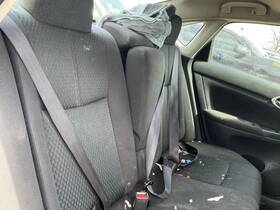
( Conditions Options: Gray ), ( Genuine Oem: Yes ), ( Ipn: 212.da1c13 ), ( Manufacturer Warranty: No Warranty ), ( Placement On Vehicle: Rear, Right ), ( Type: Seat Belt Retractor Assembly ), ( Color: Dark Gray )
Review NISSAN Passenger Right Rear Seat Belt Dark Gray Second Row fits SENTRA 2013
Introducing the Nissan 212.DA1C13 Sentra's Passenger Right Rear Seat Belt from the second row - a crucial safety component designed to keep you and your passengers secure during your journeys.
This seat belt system is specifically engineered for the Nissan Sentra model year 2013 and is intended for use in the passenger right rear seat. It is a part of the vehicle's comprehensive safety design, which includes multiple airbags, anti-lock braking system, and other advanced features to ensure the well-being of all occupants.
The seat belt itself is a high-strength, retractable belt featuring a stainless steel pretensioner and force limiter. These components work together to optimize the belt's performance in a collision, ensuring that the occupant is held firmly in place while minimizing the risk of injury.
The belt's retractor design allows it to automatically adjust to different seating positions, ensuring a comfortable and secure fit for various-sized passengers. Additionally, the belt includes an emergency locking retractor (ELR) that engages during a sudden stop or collision to keep the belt tight against the occupant's body.
The Nissan 212.DA1C13 Sentra's Passenger Right Rear Seat Belt is designed to meet or exceed all applicable safety standards, providing you and your loved ones with peace of mind while on the road.
Overall, this seat belt is an essential investment in your vehicle's safety, ensuring that the passenger in the right rear seat is protected in the event of a collision. By choosing a genuine Nissan component, you can trust that you are getting a product that is built to the highest standards of quality and performance.
Buying a Nissan Sentra 2013 with a passenger side rear seat belt issue (DA1C13) involves considering both advantages and disadvantages.
Advantages:1. Price: You may be able to purchase the vehicle at a lower price due to the seat belt issue.
2. Reliability (other aspects): The Sentra is known for its reliability and fuel efficiency.
3. Availability: There could be a larger selection of Sentra models available in the market with this specific issue.
Disadvantages:1. Safety concern: A faulty seat belt is a safety issue that needs to be addressed.
2. Repair costs: The cost of repairing the seat belt or replacing the part could be significant.
3. Resale value: The presence of the known issue could negatively impact the vehicle's resale value.
Ending Conclusion:When considering buying a Nissan Sentra 2013 with a passenger side rear seat belt issue, it's important to weigh the advantages (lower price, reliability, and availability) against the disadvantages (safety concern, repair costs, and resale value). If the potential savings outweigh the risks and costs, and you are comfortable with the repair and maintenance process, then buying the vehicle could be a good option. However, if safety is a top priority or the costs are too high, it may be better to consider other vehicles in the market.
Recommendation:If you decide to move forward with the purchase, be sure to obtain a thorough inspection report from a trusted mechanic and get a quote for the repair costs. This information will help you make an informed decision about the total cost and potential savings. Additionally, consider purchasing an extended warranty to cover the seat belt repair or replacement. This could help mitigate the potential costs and provide peace of mind.
Details:
Flush and inspect cooling lines. Any A/V equipment purchased may need to be reprogrammed. Install new spark plugs wires. Engines are guaranteed against knocking and excessive smoking.
Flush cooling system and re-fill. And engage torque converter into the front pump. Replace thermostat gasket. Replace oil pan gasket and rear main seal.
Install new filter kit. RIGHT RETRACTOR, GRAY. Pre-Installation Requirements: Drain and replace engine oils to manufacture suggested levels. Adjust throttle position sensor cable.
If needed replace timing gears, chains, or belts gaskets. Replace valve cover gaskets. Replace oil, air, and fuel filters. Fill trans with manufacture specified fluid.
Reprogramming it to your vehicle is a must. Clear all transmission computer codes prior to starting or operating the vehicle. Pre-Installation Requirements: Replace all seals. Install new belts and hoses.
part #: 212.da1c13 price
- $92.90
specifications seabelpar:
- for models: Sentra
- for makes: Nissan
- for years: 2013
- conditions options: Gray
- genuine oem: Yes
- ipn: 212.da1c13
- manufacturer warranty: No Warranty
- placement on vehicle: Rear, Right
- type: Seat Belt Retractor Assembly
- color: Dark Gray
seller seabelpar:
- rating: 99.6%
- # reviews: 2225
- city: Joliet, Illinois
payments seabelpar:
- credit card: Discover
- other
- wallet: Google-pay
returns seabelpar:
- time: 30 Days
- paid by: Seller
- policy: Returns Accepted
general seabelpar:
- Interior Parts Accessories > Interior Safety > Seat Belts Parts
- condition: Used
shipping seabelpar:
- class: Standard
- service: UPS Ground
- carrier: UPS
- transit: 4-7 Days
- type: Fixed
- cost: $0.00
offer seabelpar:
- best offers: True
- started: March 29, 2025
- quantity: 1
- availability: In Stock
- options: Ship-to-home
- sold: 0
Nissan 821324 Is Similar To:
- 150702dl Nissan Infiniti Right Passenger Seat Belt Bucket Oem (44.3% similar) ...(December 15th, 2018)
- 2007-2012 Nissan Altima Seat Belt (33.1% similar) Fully checked to be working before pulling out of car...(December 17th, 2017)
- 2021854 Nissan Maxima Front Right Passenger Gray Seat Belt Oem (45.3% similar) 2004 nissan maxima used oem front right passenger seat belt grey...(June 28th, 2018)
- 2027833-ae Seat Nissan Versa Belt Retractor Front Driver Oem (31.1% similar) I will do what can to accommodate any reasonable request about a issue. Buyer pays return shipping. No across the room shots or poor of items listed. This simply means it fits some model's years but not necessarily all vehicles within that model or year. Provide many detailed pictures so you know ...(November 15th, 2018)
- 2029620 Nissan 2011-2014 Maxima Seat (35.5% similar) Everything pictured is what it included in this listing. The part is in very good condition, with minor signs of normal wear, please see pictures. Fitment: nissan maxima model's. Electric parts have been tested and work well nissan maxima seat belt retractor front right passenger side Rh oem up for ...(December 13th, 2017)
- 2439562-ab Nissan Front Left Driver Side Seat Belt Retractor Oem (42.1% similar) If something is broken we mention it in the. Verify listed part number with your local dealer to make sure it fits vehicle. All parts are stamped with invisible ink for security purposes. 6l v8 cylinder transmission: automatic redbird: full size cargo van high roof fuel: gas please review the pic. ...(October 4th, 2018)
- 2447691-aa Seat Nissan Versa Belt Retractor Passenger Oem (31.7% similar) Provide many detailed pictures so you know exactly what are buying. This simply means it fits some model's years but not necessarily all vehicles within that model or year. Just because your make, model and year are listed does not guarantee fitment as the manufacturer offers several different ...(August 16th, 2018)
- 2457072as Nissan Altima Seat Belt Front Right Oem (39.4% similar) This items is in good and full working condition. This items was previously used and may show some signs of imperfections such as surface scratches, slight fading, dirt stains, scuffs, dents dings normal wear tear. A proof receipt of work is required. Any sign of tampering or attempt to disassemble ...(June 11th, 2018)
- 350z Nissan To Lh Driver Seat Belt Cpe (38.1% similar) Used working condition as is oem 2003 to 2005 left driver side...(April 18th, 2018)
- 51296a Nissan Altima Rear Seat Belt Left Fit Oem (41.2% similar) ...(August 18th, 2018)
- 5333 Nissan Juke Front Driver Side Seat Belt Assembly (39.7% similar) Should work on other nissan Jake years but check with dealer before buying this. Car was in an accident but the belt wan't locked. Used drivers front seat belt removed from a 2013 nissan Jake. It still can be pulled out when in upright position so I'm assuming its working as should...(March 18th, 2018)