NISSAN 212.DA1I18 Seat Belt Rear
fits model: Sentra. make: Nissan. year: 2018.
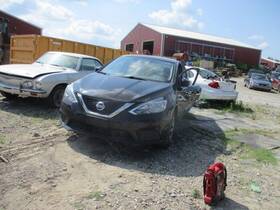
( Part Type: Seat Belt ), ( Conditions Options: 4dr, Char, Left Outer, Oic ), ( Genuine Oem: Yes ), ( Ipn: 212.da1i18 ), ( Manufacturer Warranty: 90 Day )
Review NISSAN Seat Belt Rear fits SENTRA 2018
Introducing the Nissan 212.DA1.18 Sentra 2018 Rear Seat Belt, an essential safety component designed to provide maximum protection for your passengers. This rear seat belt is engineered to meet the highest standards of safety and durability, making it an ideal choice for your Nissan Sentra model from the year 2018.
The seat belt features a sturdy stainless steel buckle that securely fastens the belt in place. The belt webbing is made of strong and resilient material that can withstand significant force in the event of a collision. The webbing is also padded with soft and comfortable material to ensure a snug and secure fit for the passengers.
The seat belt comes with an automatic tensioning system that tightens the belt during a collision, providing optimum restraint for the occupants. This feature is especially important during high-impact crashes, as it helps to minimize the risk of injury or even death.
The Nissan 212.DA1.18 Sentra 2018 Rear Seat Belt is also equipped with a pre-tensioning system that tightens the belt before an impact occurs. This feature helps to reduce the forward movement of the passengers during a collision, further reducing the risk of injury.
The belt also includes an emergency locking retractor that automatically engages during a collision, preventing the belt from retracting and ensuring that it remains in place to provide continued protection.
The Nissan 212.DA1.18 Sentra 2018 Rear Seat Belt is designed to blend seamlessly with the interior of your vehicle. The belt comes in a standard black color that matches most car interiors, making it a discreet and unobtrusive addition to your vehicle.
In summary, the Nissan 212.DA1.18 Sentra 2018 Rear Seat Belt is a top-quality safety component that provides maximum protection for your passengers. Its automatic tensioning and pre-tensioning systems, emergency locking retractor, and comfortable padding ensure that your passengers are secure and safe during every ride. The belt's discreet black color makes it a stylish and unobtrusive addition to your vehicle's interior.
Nissan Sentra 2018 Rear Seat Belt (DA1I18): A Comprehensive Analysis
Introduction:The Nissan Sentra 2018 is a popular compact sedan known for its fuel efficiency, spacious interior, and advanced safety features. One such safety feature is the rear seat belt (DA1I18), which is essential for keeping the rear passengers secure during a collision. In this analysis, we will discuss the pros and cons of buying a Nissan Sentra 2018 rear seat belt.
Pros:1. Enhanced Safety: The primary advantage of purchasing a Nissan Sentra 2018 rear seat belt is the added safety it provides for rear passengers. In the event of a collision, the seat belt helps to keep the occupants in place, reducing the risk of injuries.
2. OEM Part: The rear seat belt is an Original Equipment Manufacturer (OEM) part, meaning it is designed and manufactured by Nissan. This ensures a perfect fit, compatibility with the vehicle's safety system, and peace of mind.
3. Durability: OEM parts are typically of high quality and durability, which is crucial for safety components like seat belts. The Nissan Sentra 2018 rear seat belt is expected to last as long as the vehicle and provide reliable performance.
Cons:1. Cost: The Nissan Sentra 2018 rear seat belt can be an expensive purchase, especially when compared to aftermarket alternatives. However, it is essential to remember that safety should never be compromised, and the cost of ensuring passenger safety is a worthwhile investment.
2. Availability: Depending on the location and the specific dealership, the Nissan Sentra 2018 rear seat belt may not always be readily available. It is recommended to contact the dealership or an authorized Nissan parts supplier to check on availability and lead time.
Conclusion:In conclusion, the Nissan Sentra 2018 rear seat belt (DA1I18) is an essential safety component that offers numerous advantages, including enhanced safety, OEM quality, and durability. While the cost and availability may be concerns for some, the importance of maintaining passenger safety cannot be overstated. Ultimately, the decision to purchase the Nissan Sentra 2018 rear seat belt is a wise investment in the overall safety and well-being of the vehicle's passengers.
Recommendation:If you are a current or prospective owner of a Nissan Sentra 2018 and are concerned about the safety of your rear passengers, we highly recommend investing in the OEM rear seat belt (DA1I18) from an authorized Nissan parts supplier. This will ensure a perfect fit, compatibility with the vehicle's safety system, and the peace of mind that comes with knowing your passengers are protected.
Details:
B Failure caused by towing a trailer unless your vehicle is rated the manufacturer for. Shearing or breaking of teeth in a standard transmission is not warranted under any circumstances. Manual transmissions follow the same procedure as above if applicable. Warranty is not transferable.
G24001 3N1AB7AP9JY223327 2018 SENTRA. Flush or replace transmission cooler and lines. Clear all computer fault codes. This part may have accessories that are attached and must be removed or switched for proper installation.
Engine installations follow the procedures: Replace following parts if applicable: timing belt, water pump, thermostat, spark plugs, fluids, oil pan gasket, and filter. Warranty covers slippage, shifting failures and/or bearing noise. All parts are covered by our 30-Day Money-Back Guarantee. 100% TESTED PARTS.
Engine warranty is contingent upon installation of new intake manifold gaskets. Warranty is valid to original purchaser only. The words un examined or unchecked on the delivery note/docket are not acceptable.
D Failure caused by or related to collisions, theft, vandalism any act of God. Transmissions: Replace the following with new parts: front pump and output shaft seals, pan gaskets filter. Warranty is contingent upon oil and filter change per manufacturers specifications as to type at installation every 5,000 kilometres thereafter. Adjust shiftier and kick down cables linkage if applicable.
All the above installation should be in accordance with manufacturer guidelines including proper quantity and fill levels of fluids any technical service bulletins updates.
part #: 212.da1i18 prices
- $65.00-$84.99
specifications seabelpar:
- for models: Sentra
- for makes: Nissan
- for years: 2018
- part type: Seat Belt
- conditions options: 4dr, Char, Left Outer, Oic
- genuine oem: Yes
- ipn: 212.da1i18
- manufacturer warranty: 90 Day
returns seabelpar:
- time: 60 Days
- policy: Returns Accepted
- paid by: Seller
shipping seabelpar:
- class: Expedited
- carrier: USPS
- service: USPS Priority Mail
- cost: $0.00
- transit: 6-13 Days
- type: Fixed
seller seabelpar:
- rating: 97.3%
- city: Bloomfield, Iowa
- # reviews: 18723
payments seabelpar:
- credit card: Diners-club
- wallet: Apple-pay
- other
general seabelpar:
- condition: Used
- Interior Parts Accessories > Interior Safety > Seat Belts Parts
offer seabelpar:
- sold: 0
- started: December 23, 2025
- options: Ship-to-home
- availability: In Stock
- quantity: 1
- best offers: True
Nissan 1581217 Is Similar To:
- 150702dl Nissan Infiniti Right Passenger Seat Belt Bucket Oem (44.2% similar) ...(December 15th, 2018)
- 2007-2012 Nissan Altima Seat Belt (44.7% similar) Fully checked to be working before pulling out of car...(December 17th, 2017)
- 2021854 Nissan Maxima Front Right Passenger Gray Seat Belt Oem (40.4% similar) 2004 nissan maxima used oem front right passenger seat belt grey...(June 28th, 2018)
- 2027833-ae Seat Nissan Versa Belt Retractor Front Driver Oem (37.5% similar) I will do what can to accommodate any reasonable request about a issue. Buyer pays return shipping. No across the room shots or poor of items listed. This simply means it fits some model's years but not necessarily all vehicles within that model or year. Provide many detailed pictures so you know ...(November 15th, 2018)
- 2029620 Nissan 2011-2014 Maxima Seat (40.9% similar) Everything pictured is what it included in this listing. The part is in very good condition, with minor signs of normal wear, please see pictures. Fitment: nissan maxima model's. Electric parts have been tested and work well nissan maxima seat belt detractor front right passenger side Rh oem up for ...(December 13th, 2017)
- 2439562-ab Nissan Front Left Driver Side Seat Belt Retractor Oem (44.8% similar) If something is broken we mention it in the. Verify listed part number with your local dealer to make sure it fits vehicle. All parts are stamped with invisible ink for security purposes. 6l v8 cylinder transmission: automatic redbird: full size cargo van high roof fuel: gas please review the pic. ...(October 4th, 2018)
- 2447691-aa Seat Nissan Versa Belt Retractor Passenger Oem (38.5% similar) Provide many detailed pictures so you know exactly what are buying. This simply means it fits some model's years but not necessarily all vehicles within that model or year. Just because your make, model and year are listed does not guarantee fitment as the manufacturer offers several different ...(August 16th, 2018)
- 2457072as Nissan Altima Seat Belt Front Right Oem (43.6% similar) This items is in good and full working condition. This items was previously used and may show some signs of imperfections such as surface scratches, slight fading, dirt stains, scuffs, dents dings normal wear tear. A proof receipt of work is required. Any sign of tampering or attempt to disassemble ...(June 11th, 2018)
- 350z Nissan To Lh Driver Seat Belt Cpe (46.7% similar) Used working condition as is oem 2003 to 2005 left driver side...(April 18th, 2018)
- 51296a Nissan Altima Rear Seat Belt Left Fit Oem (46% similar) ...(August 18th, 2018)
- 5333 Nissan Juke Front Driver Side Seat Belt Assembly (43.8% similar) Should work on other nissan Jake years but check with dealer before buying this. Car was in an accident but the belt wan't locked. Used drivers front seat belt removed from a 2013 nissan Jake. It still can be pulled out when in upright position so I'm assuming its working as should...(March 18th, 2018)