HONDA 212.HO1M15 Seat Belt Rear
fits model: Cr. make: Honda. year: 2015.
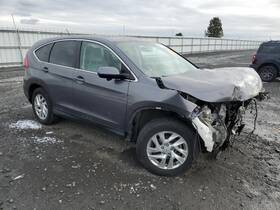
( Part Type: Seat Belt ), ( Conditions Options: Suv, Grey, Center Rear Retractor ), ( Genuine Oem: Yes ), ( Ipn: 212.ho1m15 )
Review HONDA Cr v Seat Belt Rear fits CR 2015
The Honda 212.HO1M15 seat belt for the rear seats in the 2015 CR-V is a crucial safety component designed to ensure the protection of the vehicle's passengers during an accident. This seat belt is specifically engineered to fit the rear seats of the Honda CR-V model year 2015.
The seat belt system is designed with a tensioning and force limiter feature. In the event of a collision, the tensioning feature rapidly tightens the belt to hold the occupant securely in place, while the force limiter helps to minimize the force on the occupant's chest, reducing the risk of injury.
The seat belt is made of high-quality material, ensuring durability and longevity. It features a comfortable webbing that is both strong and flexible, allowing for easy use and adjustment. The belt's sturdy metal buckle is designed for a secure and reliable connection, with an easy-to-operate release button.
The Honda 212.HO1M15 seat belt also includes an emergency locking retractor, which automatically locks the seat belt when the vehicle comes to a sudden stop or during a collision, ensuring that the occupant stays safely restrained.
This seat belt is easy to install, requiring no special tools or mechanical expertise. It simply slides into the existing seat belt anchors in the CR-V's rear seats. The belt's adjustable length feature allows for a customized fit for passengers of different sizes, ensuring that everyone in the vehicle stays safe and secure.
In summary, the Honda 212.HO1M15 seat belt for the rear seats in the 2015 CR-V is a vital safety feature that provides peace of mind for drivers and passengers alike. Its advanced design, high-quality materials, and easy installation make it an essential addition to any CR-V.
The Honda CR-V 2015 is a popular compact SUV known for its reliability and practicality. One of its essential safety features is the seat belt system, including the rear seat belts. In this discussion, we will weigh the pros and cons of buying a Honda CR-V 2015 with the rear seat belt (HO1M15) for those seeking to ensure the safety of their passengers.
Pros:1. Enhanced Safety: The rear seat belts in the Honda CR-V 2015 are designed to protect passengers during collisions. They help keep occupants in their seats and minimize the risk of injury.
2. Peace of Mind: Installing genuine Honda rear seat belts in your vehicle provides peace of mind, knowing that you have the original and best equipment for your CR-V.
3. Comfortable Fit: Honda seat belts are designed to offer a comfortable fit for various body types and sizes, ensuring that passengers are secure without any unnecessary discomfort.
4. Durability: Honda seat belts are known for their durability and long-lasting performance, reducing the need for frequent replacements.
5. OEM (Original Equipment Manufacturer) Part: Using OEM parts, like the HO1M15 rear seat belts, for your vehicle helps maintain its value and resale worth.
Cons:1. Cost: Original equipment manufacturer (OEM) parts, such as the HO1M15 rear seat belts for the Honda CR-V 2015, can be more expensive than aftermarket parts.
2. Availability: Depending on the location and availability of the OEM parts, it may take some time to obtain them.
3. Installation Complexity: Installing OEM seat belts may require some technical skills and knowledge. It is generally recommended to have them installed by a professional to ensure proper installation and function.
Conclusion:When considering purchasing a Honda CR-V 2015, investing in genuine OEM rear seat belts, such as the HO1M15, offers several advantages. These benefits include enhanced safety, peace of mind, comfortable fit, durability, and maintaining your vehicle's value. However, there are also potential drawbacks, such as the cost and installation complexity. Ultimately, the decision to purchase the HO1M15 rear seat belts for your Honda CR-V 2015 depends on your personal priorities and budget. If safety is your top concern, the benefits likely outweigh the cons. If cost is a significant factor, you may want to explore aftermarket options, but keep in mind that the quality and performance may differ from OEM parts.
Details:
part #: 212.ho1m15 prices
- $65.00-$175.00
specifications seabelpar:
- for models: Cr
- for makes: Honda
- for years: 2015
- part type: Seat Belt
- conditions options: Suv, Grey, Center Rear Retractor
- genuine oem: Yes
- ipn: 212.ho1m15
shipping seabelpar:
payments seabelpar:
- credit card: Visa
- other
- wallet: Paypal
seller seabelpar:
- rating: 95.0%
- # reviews: 3925
- city: Spokane, Washington
offer seabelpar:
- availability: In Stock
- started: March 11, 2025
- sold: 0
- quantity: 1
- options: Seller-arranged-local-pickup
returns seabelpar:
- time: 14 Days
- paid by: Buyer
- policy: Returns Accepted
general seabelpar:
- condition: Used
- Interior Parts Accessories > Interior Safety > Seat Belts Parts
Honda 1418182 Is Similar To:
- 04813-s10-a03zb Honda Crv Oem Passenger Front Seat Female Belt Buckle (37.3% similar) Why its hard to beat Chester auto: all products are tested, cleaned, inspected...(July 31st, 2018)
- 04813-s4k-a41zb Oem Honda Accord Front Seat Belt Buckle Driver Side (39.7% similar) Here for sale is a driver side front seat belt buckle from 2002 honda accord sedan in excellent condition. The manufacturer part number is S4K-841ZB and color code NH283L quartz gray, compatible with accords 98-02...(June 9th, 2018)
- 04813-s5d-a02zb Honda Civic 01-05 Seat (39.1% similar) ...(October 6th, 2017)
- 04813-s9a-a03zb Honda Genuine Buckle Set Seat Belt Part (40.4% similar) This is a new item never been used. Available to be shipped lower 48 only. Removed from packaging for photo. YR203L - saddle...(October 28th, 2018)
- 04813-scv-a02za Honda Element Oem Front Right Seat Belt (36.5% similar) This unit is in perfect condition car has never been an accident and only have miles...(February 28th, 2018)
- 04813-sne-a01zc Honda Civic Si Sedan Passenger Side Front Seat Belt Buckle (34.1% similar) For sale is a passenger side front seat belt buckle removed from 2008 honda civic Si sedan. The car had no air bags deploy...(July 29th, 2018)
- 04813sdaa02za Honda Oem Accord Front Right Seat Belt Buckle (40.7% similar) The item damage is noted, shown on pictures or part sold as for parts not working. The item has small scratches or normal wear due to fact that these are used oem parts. Oem honda accord front right seat belt buckle vehicle and: vehicle make: model year 2004 trim ex body sedan part brand location ...(November 14th, 2018)
- 04813swaa00zb Honda Oem Front Seat Right (36% similar) New oem honda CV right front seat belt buckle 04813SWAA00ZB feel free of asking any questions thanks...(October 17th, 2018)
- 04813tk8a40zb Honda Oem Odyssey Front Seat Right (33% similar) ...(June 5th, 2018)
- 04813tx4a00za Honda Acura Oem Rdx Front Seat End Right (31.1% similar) Is provided through M2M messages, the order will cancel. All airbag modules are also non returnable. Is the only way to be certain...(May 1st, 2018)
- 04813tx4a00zb Honda Acura Oem Rdx Front Seat End Right (31.1% similar) All airbag modules are also non returnable. Est, Mon to Fri. Is the only way to be certain...(May 1st, 2018)