FORD F1TZ78611B69CC Rear Seat Belt Retractor Left Driver
fits model: Explorer. make: Ford. year: 1992–1994.
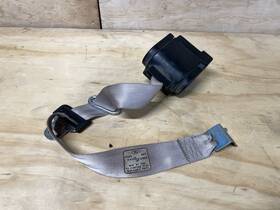
( Manufacturer Part Number: F1TZ78611B69CC ), ( Type: Seat Belt ), ( Part Location: On Vehicle ), ( Tag: 40279 ), ( Country Of Origin: United States ), ( Placement On Vehicle: Left, Rear )
Review FORD Rear Seat Belt Retractor Left Driver Side fits EXPLORER 1992–1994
Ford Explorer Rear Seat Belt Retractor (Left, Driver Side) for Model Years 1992, 1993, and 1994 (F1TZ78611B69CC)
Description:This Ford Explorer rear seat belt retractor is a crucial safety component designed specifically for the left, driver side seat of models produced between 1992 and 1994. The part number F1TZ78611B69CC accurately identifies this essential piece.
The seat belt retractor is responsible for controlling the retracting and rewinding of the seat belt webbing during vehicle operation and in the event of a sudden stop or collision. When the belt is not in use, it is stored neatly within the retractor housing.
The build quality of this Ford Explorer rear seat belt retractor is robust and reliable. It is engineered to withstand the rigors of daily use and the occasional rough conditions that may be encountered during off-road adventures. The retractor housing is designed to blend seamlessly with the interior of your vehicle, maintaining the vehicle's aesthetic appeal.
Installation of the new seat belt retractor is a straightforward process. It is designed to be a direct replacement for the original part, requiring no modifications to your Ford Explorer. The retractor comes with all necessary hardware for installation, making it a convenient and hassle-free upgrade.
By replacing a worn-out or damaged seat belt retractor, you are investing in the safety of yourself and your passengers. A properly functioning seat belt retractor ensures that the seat belts can effectively secure occupants during a collision, minimizing the risk of injury.
In summary, this Ford Explorer rear seat belt retractor (left, driver side, for models 1992, 1993, and 1994) is an essential safety component that deserves your attention. It is engineered to the highest standards, ensuring reliability and seamless integration with your vehicle. By upgrading this vital part, you are making a wise investment in the safety and longevity of your beloved Ford Explorer.
Buying a Ford Explorer Rear Seat Belt Retractor for a 1992-1994 Model: Pros, Cons, and Conclusion
The Ford Explorer, a popular SUV model, was produced from 1991 to 2019. This article focuses on purchasing the rear seat belt retractor for the left driver's side in Ford Explorer models from 1992 to 1994 (Ford part number: F1TZ78611B69CC). In this discussion, we'll cover the pros, cons, and an ultimate recommendation.
Pros of Buying a New Rear Seat Belt Retractor:1. Safety: A malfunctioning seat belt retractor can compromise safety during a collision. A new part ensures optimal functionality.
2. Comfort: A smooth-working seat belt retractor provides a more comfortable driving experience, as it doesn't tug or snag.
3. Peace of Mind: Knowing that the seat belt system in your vehicle is functioning properly can give you confidence while on the road.
Cons of Buying a New Rear Seat Belt Retractor:1. Cost: Replacing a single seat belt retractor can be expensive, especially if the rest of the system is in good condition.
2. Labor Costs: If you're not mechanically inclined, you may need to pay for professional installation, adding to the overall cost.
3. Availability: Depending on the specific model and year of your Ford Explorer, the part may be challenging to find or difficult to source from dealerships.
Conclusion:When considering buying a new rear seat belt retractor for your 1992-1994 Ford Explorer, weigh the benefits of improved safety, comfort, and peace of mind against the costs. If the part is readily available and the price is within your budget, it might be a worthwhile investment. However, if the cost seems excessive or you're unsure about the part's condition, consider having the existing seat belt retractor inspected by a professional mechanic before making a decision.
Recommendation:If you decide to replace the seat belt retractor in your Ford Explorer, research reputable automotive parts suppliers to ensure you're getting a high-quality part. Additionally, consider the cost of labor and installation when budgeting. If the part is available at a reasonable price and you're comfortable with the overall cost, proceed with the replacement. Otherwise, consider having the existing part inspected or look for alternative solutions, such as repairing the issue rather than replacing the part.
Details:
Feel free to reach out with any questions, thanks. I ll do my best to resolve your issue, or answer questions.
part #: f1tz78611b69cc price
- $59.99
specifications seabelpar:
- for models: Explorer
- for makes: Ford
- for years: 1992-1994
- mpn: F1tz78611b69cc
- type: Seat Belt
- part location: On Vehicle
- tag: 40279
- country of origin: United States
- placement on vehicle: Left, Rear
offer seabelpar:
- started: January 17, 2026
- options: Ship-to-home
- quantity: 1
- availability: In Stock
- best offers: True
- sold: 0
payments seabelpar:
- other
- wallet: Apple-pay
- credit card: Discover
general seabelpar:
- condition: Used
- Interior Parts Accessories > Interior Safety > Seat Belts Parts
seller seabelpar:
- rating: 100.0%
- # reviews: 692
- city: Oregon City, Oregon
shipping seabelpar:
- class: Standard
- cost: $0.00
- transit: 5-10 Days
- carrier: USPS
- type: Calculated
- service: USPS Ground Advantage
returns seabelpar:
- paid by: Seller
- time: 30 Days
- policy: Returns Accepted
Ford F1TZ78611B69CC Is Similar To:
- 00536114 2007 Ford Expedition Seat (24.8% similar) Front left and ride side seat belt pretension is available here ford expedition buckle. Used condition, some stains but in good shape...(March 21st, 2017)
- 0328 Ford Extended Cab Seat Belts Set Blue Oem (38.4% similar) Any questions. Has normal wear and tear associated with use. No warranty is expressed or given. Can I return an item. If you don't see the specific part are looking for please message me and I will do my best to help. However, sometimes things are missed. Larger items motors, transmissions, seats ...(September 10th, 2018)
- 0330200 Ford Fusion Left Rear Back Seat Belt Fit Oem (41.2% similar) ...(August 18th, 2018)
- 16 Ford Fusion Passenger Side (25.9% similar) That is over 1,700 vehicles which the largest inventory in greater Pittsburgh area. That is free of charge. All special order parts are backed by the suppliers warranty. All in-stock parts are backed with a 90 day warranty. Wheels from 6-1 will have significant scratches or curb rash. That is free ...(April 19th, 2017)
- 1812460 Safety Harnesses Seat Belts Ford Thunderbird Standard Red Lap Bucket (33.5% similar) Ford Thunderbird standard 2PT red lap bucket seat belt kit - 2 belts from zero-g safety harnesses includes buckle push button feature two-point fixed heavy duty construction extra thick webbing easy release to install and use 209 302 FMs approved material polyester oem quality color sold set length...(November 6th, 2018)
- Ford Mustang Convertible Driver Rear Receiver Seat Belt Set Maroon (42.8% similar) Red in color. In good condition set for rear receivers...(October 28th, 2018)
- 1c3z-25611b08-aaf Motorcraft Ford Genuine Oem Super Duty Seat Belt Retractor (38.7% similar) Free shipping: if an item is offered with shipping - for lower 48 USA only. All photography is for illustrative purposes only and persons depicted are model's. Higher shipping and handling cost prevail...(November 7th, 2018)
- 1c3z-25611b60-aad Ford Genuine Belt And Buckle (33.6% similar) Shipping carrier substitutions may be made at our determination in an attempt to reduce cost the customer. Please visit . Parts must be resealable and in the original packaging. So order online today. For any questions, comments, concerns, or suggestions, please. Electrical parts are not returnable...(February 20th, 2017)
- 1c3z-2561203-cad Motorcraft Ford Genuine Oem Excursion Front Seat Belt Buckle (30.8% similar) Higher shipping and handling cost prevail. 3l diesel 4AT 4R1 5AT, 5MT, 6MT ford F-550 super duty Cl free shipping: if an item is offered with shipping - for lower 48 USA only. All photography is for illustrative purposes only and persons depicted are model's...(April 17th, 2018)
- 1c3z2561203bac Ford Genuine Oem Excursion Front Seat Left (30.9% similar) Location: 3D. For sale: genuine oem ford excursion front seat belt-buckle left 1C3Z2561203BAC, new. Shipping is free in the us...(March 12th, 2018)
- 1f2z16611b66aaa Ford Oem Windstar Rear Seat Middle (40.3% similar) This part fits vehicles made in the following years 2001 , 2002 , 2003 . Superseded part numbers this item may have been from a different number manufacture...(May 8th, 2018)